Scientific Studies Highlight Foods That Support Gut Health
Recent scientific research points to several foods that can help maintain a healthy gut. Experts highlight the benefits of fiber, probiotics, and fermented foods.

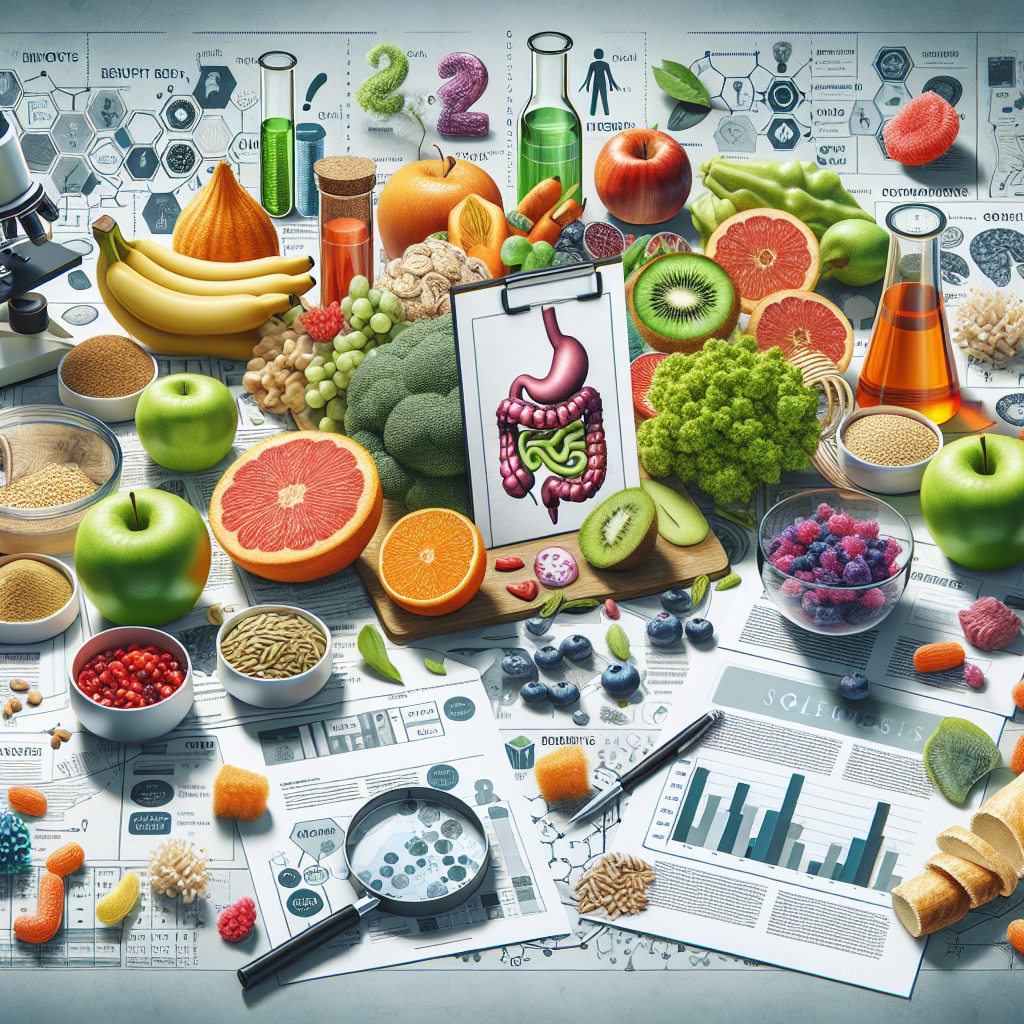
Foods That Promote Gut Health Backed by Scientific Research
Growing evidence suggests that certain foods may improve gut health by supporting the balance of beneficial bacteria and aiding digestion. Nutritionists and scientists recommend a diet rich in fiber, fermented foods, and probiotics for optimal gut function.
Key Foods That Support a Healthy Gut
- Fermented Foods: Yogurt, kefir, kimchi, and sauerkraut contain live bacteria known as probiotics. According to a 2022 review in the journal Frontiers in Nutrition, these foods can help restore microbial diversity and bolster the gut barrier.
- Dietary Fiber: Whole grains, bananas, apples, legumes, and oats provide prebiotic fibers that feed beneficial bacteria in the gut. The World Health Organization notes that adults should consume at least 25–30 grams of fiber daily to promote digestive health.
- Polyphenol-Rich Foods: Berries, green tea, and dark chocolate contain compounds that may encourage the growth of health-promoting gut bacteria, researchers from King's College London report.
Why Gut Health Matters
The gut microbiome, a complex community of trillions of microorganisms, plays a crucial role in digestion, immune function, and even mood regulation. The Harvard T.H. Chan School of Public Health states that an imbalance in gut bacteria has been linked to conditions such as irritable bowel syndrome, obesity, and diabetes.
Expert Recommendations and Ongoing Research
Health experts advise gradual dietary changes to support gut health, emphasizing variety and consistency. "A diet rich in plant-based foods, fiber, and fermented foods can help maintain a balanced gut microbiome," said Dr. Emily Stone, a registered dietitian. Ongoing studies continue to investigate links between specific foods and their impact on gut-related diseases, offering potential for new dietary guidelines in the future.