Global Health Authorities Unveil New Food Pyramid for 2026
Health authorities have introduced an updated food pyramid for 2026, signaling important shifts in global dietary guidelines and nutrition priorities.

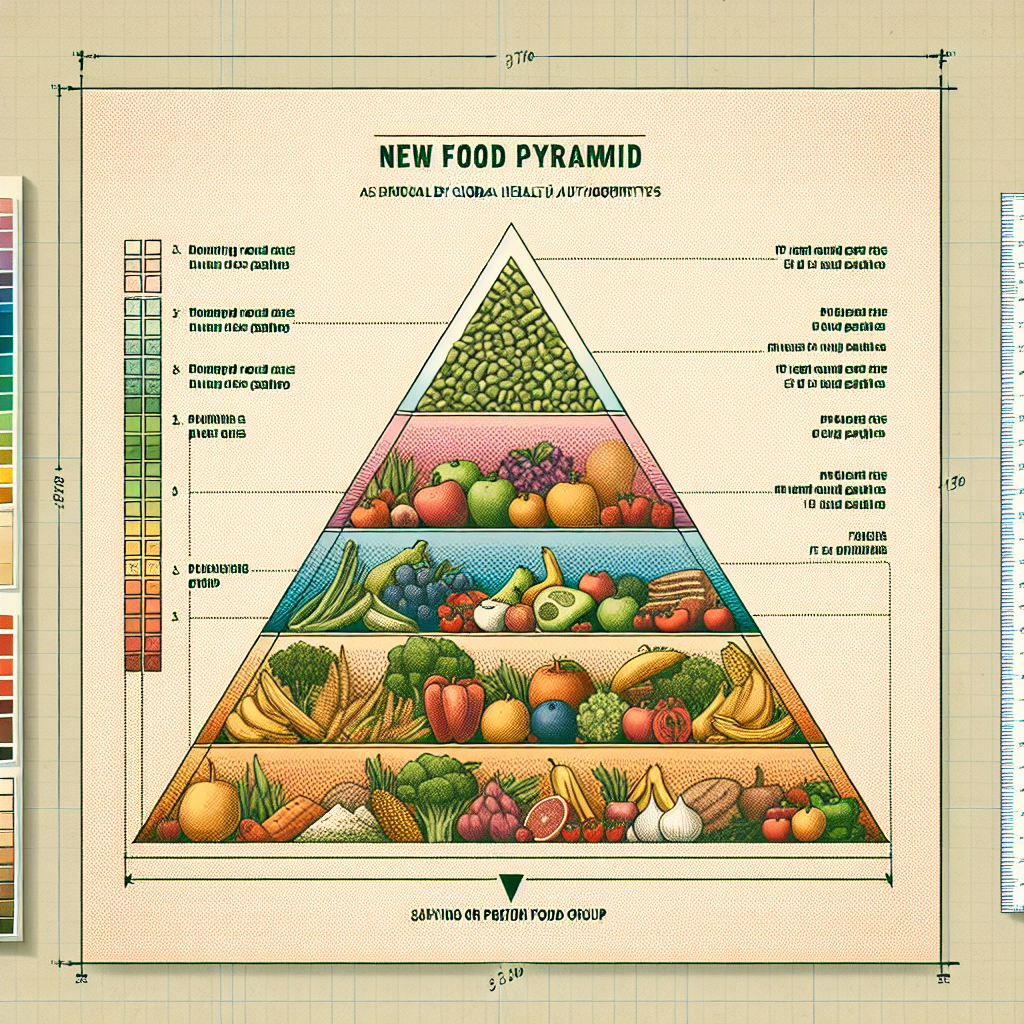
Global Health Bodies Launch Updated Food Pyramid for 2026
International health organizations released a new food pyramid for 2026 on Monday, presenting revised guidelines on nutrition and balanced eating. The new model aims to address rising rates of obesity, diabetes, and heart disease by emphasizing plant-based foods and limiting processed products.
Key Changes in the 2026 Food Pyramid
- Greater emphasis on whole grains, legumes, fruits, and vegetables as the foundation of daily meals.
- Significantly reduced recommended intake of red and processed meats.
- Encouragement of healthy fats, such as those from nuts, seeds, and olive oil, over saturated fats.
- Lower limits on added sugars and highly processed foods.
- Guidance on portion sizes and meal frequency tailored to diverse age groups and physical activity levels.
Global Collaboration and Rationale
The World Health Organization (WHO) led the initiative, working with nutrition experts from over 30 countries. Dr. Maria Hernandez, WHO’s Director of Nutrition, stated, “These new guidelines reflect the latest scientific evidence on healthy eating and chronic disease prevention.”
According to the WHO, the updates respond to shifting global health trends. Data published last year showed worldwide adult obesity rates have doubled since 2000, with diet-related noncommunicable diseases accounting for more than 11 million deaths annually.
Implementation and Public Response
National health ministries are expected to adapt the pyramid to local food cultures and availability. Some countries, including Australia and Japan, are already piloting educational campaigns based on the new model. Health experts say the changes may influence everything from school meal programs to food labeling standards.
Early reactions from nutritionists have been largely positive. Professor Alan Moore, a dietitian at the University of Cambridge, said, “Clearer guidance on processed foods and fats could have a significant impact on population health if widely adopted.”
Industry and Economic Implications
The food industry is closely watching the rollout. Market analysts at FoodTrak project increased demand for plant-based foods and wholegrain products as the new recommendations take effect. Large food producers, including Nestlé and Unilever, have indicated plans to update product lines and labels to align with the guidance.
Health authorities plan to review and update the pyramid every five years to address emerging research and changing dietary patterns worldwide.