Early Signs of Alzheimer’s Disease: What to Watch For
Memory loss, confusion, and changes in behavior are often among the earliest signs of Alzheimer’s disease. Understanding these signals may help prompt timely diagnosis and care.

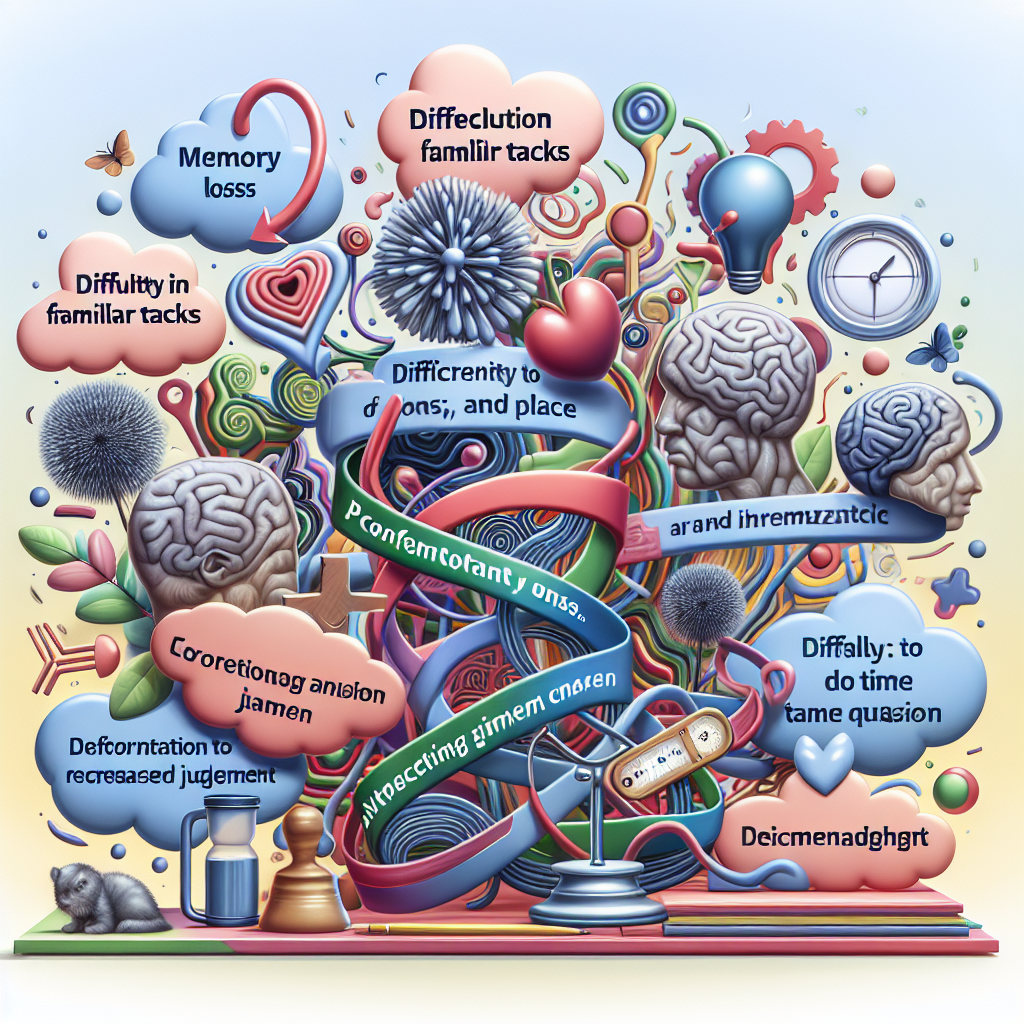
Recognizing the First Signals of Alzheimer’s Disease
Alzheimer’s disease, the most common cause of dementia, often presents with subtle symptoms before progressing to more severe cognitive decline. Early recognition of these changes is considered important for timely treatment and support.
Common Early Symptoms
- Memory loss: Forgetting recently learned information is one of the most common early warning signs, according to the Alzheimer’s Association. Individuals may frequently forget important dates or events and increasingly rely on memory aids or family members.
- Difficulty with familiar tasks: People in the early stages may struggle to complete routine activities, such as managing finances, following a recipe, or remembering rules of a familiar game.
- Problems with language: Repeatedly struggling to find the right word, calling things by the wrong name, or losing track of conversations can signal early cognitive changes.
- Disorientation to time and place: Becoming confused about the date, season, or location is sometimes reported by caregivers and clinicians as an initial sign.
- Poor judgment and decision-making: Changes in judgment, such as in handling money or neglecting personal hygiene, can appear even in the mild stages.
Not All Memory Loss Indicates Alzheimer’s
Experts caution that occasional forgetfulness is a normal part of aging. However, symptoms that interfere with daily life or show progressive worsening may indicate Alzheimer’s or another form of dementia.
Dr. José González, a neurologist at the Mayo Clinic, notes: "Early detection is crucial because it allows for better care planning and access to available therapies."
Screening and Diagnosis
Doctors assess cognitive function through clinical interviews, standardized tests, and sometimes medical imaging. Health agencies recommend that individuals, especially those over age 65 or with a family history, discuss any worrying changes with their healthcare provider.
Why Early Detection Matters
According to the World Health Organization, over 55 million people worldwide are living with dementia. Early diagnosis of Alzheimer’s enables patients and families to plan for care needs and explore treatment options.