BMW iX3: Key Facts and Features of the Electric SUV
BMW’s iX3 enters the electric SUV market with a focus on range, German engineering, and high-tech features. Here’s a look at its key specifications and market rollout.

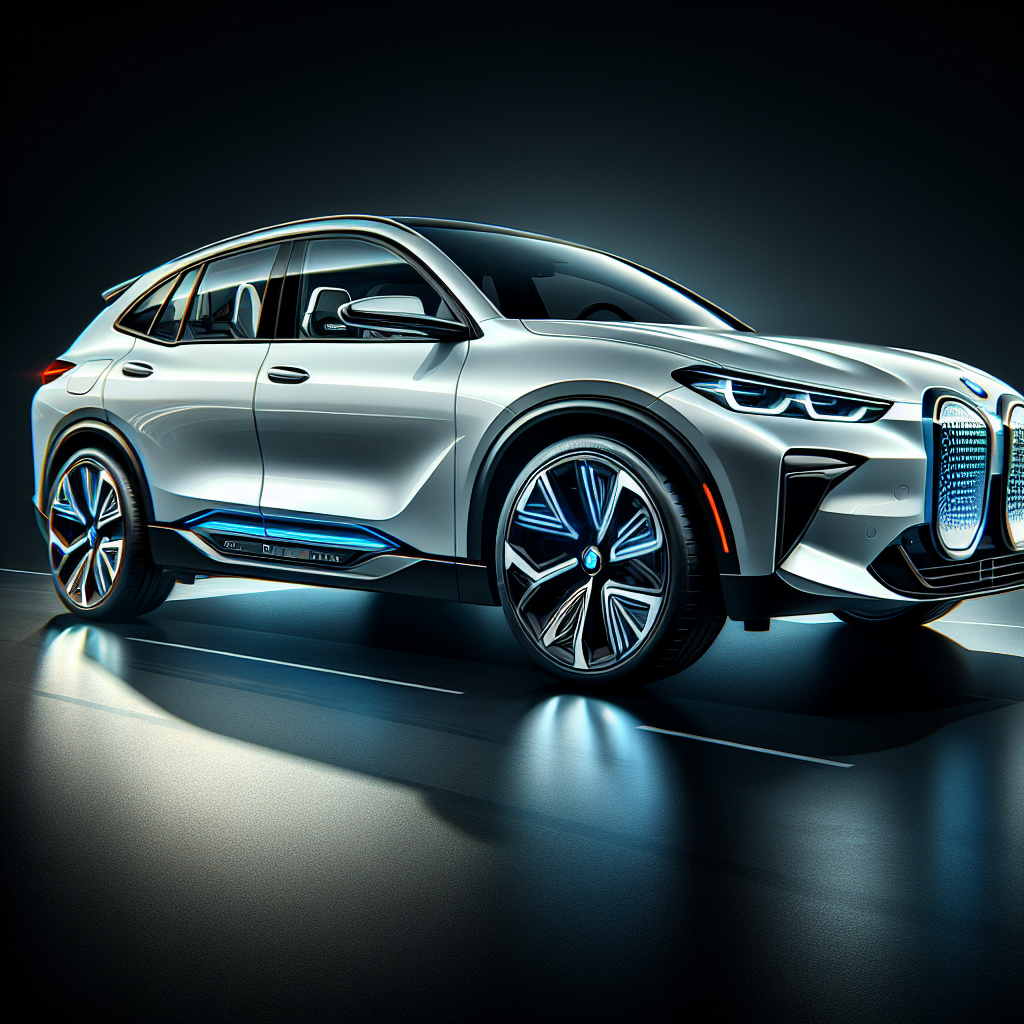
BMW iX3: Entry into the Electric SUV Market
The BMW iX3, launched globally in mid-2021, marks the German automaker’s expansion into fully electric SUVs. Positioned as BMW’s first all-electric model in its X-series lineup, the iX3 competes in a growing segment as manufacturers shift towards electrification.
Powertrain, Range, and Performance
The iX3 features a rear-wheel-drive electric motor generating 286 horsepower and 400 Nm of torque. According to BMW, the SUV accelerates from 0 to 100 km/h in 6.8 seconds and has an electronically limited top speed of 180 km/h.
A 80 kWh gross, 74 kWh net-use battery enables the iX3 to deliver a WLTP-rated range of up to 460 kilometers (286 miles) on a single charge. Fast charging capabilities allow the battery to reach 80% capacity in approximately 34 minutes at compatible rapid charging stations.
Design and Technology
The iX3 adopts BMW’s signature styling cues, with minor aerodynamic modifications for efficiency. Standard features include adaptive suspension, 19-inch aerodynamic wheels, and BMW’s latest iDrive infotainment system, supporting over-the-air software updates and advanced navigation tools.
Interior highlights include a fully digital instrument cluster, premium materials, and a suite of driver assistance systems such as lane departure warning, automatic emergency braking, and adaptive cruise control. Wireless Apple CarPlay and Android Auto are included as standard.
Pricing and Production
Pricing for the BMW iX3 varies by market. In Germany, the iX3 starts at around €67,300, and the model is also available in several Asian and European markets. The SUV is produced at BMW’s joint venture plant with Brilliance Automotive in Shenyang, China, and exported globally. The United States is currently excluded from the iX3’s launch markets, with BMW citing local market strategy and demand factors.
Market Context and Competition
The iX3 enters a competitive field including the Mercedes-Benz EQC, Audi Q4 e-tron, and Tesla Model Y. Analysts say BMW’s approach, emphasizing familiar design and technologies alongside moderate range, targets buyers seeking a transition from traditional combustion models to electric alternatives. The iX3’s arrival contributes to BMW Group’s goal of having at least half of its global sales be fully electric by 2030.