10kW Battery System Cost Analysis: Pricing Trends and Key Factors in 2025
The average cost of a 10kW battery system in 2024 varies by region, technology, and installation requirements. Industry data and expert analysis highlight major price trends and influencing factors.

10kW Battery System Costs in 2025
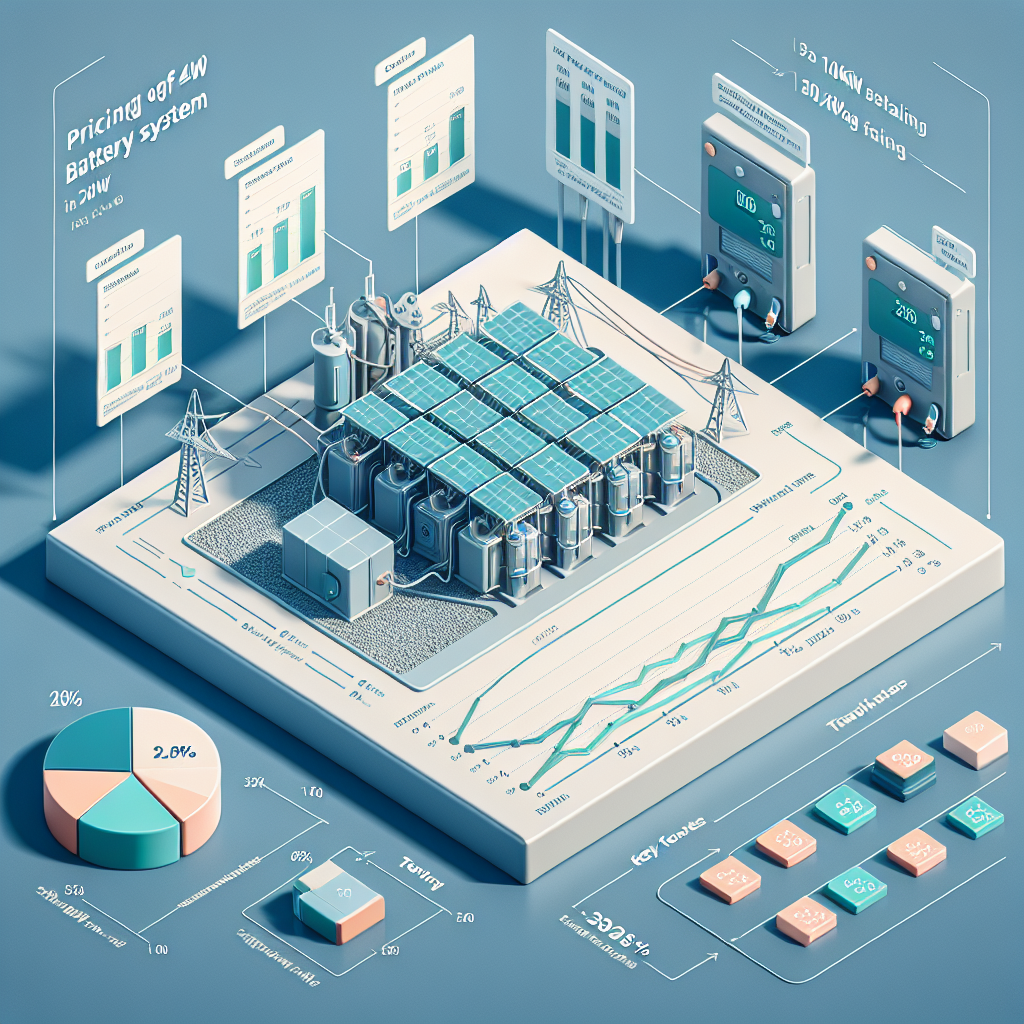
The installed cost of a 10kW battery system ranges between $7,000 and $16,000 in 2025, according to industry sources and consumer market data. Variance depends on factors such as battery chemistry, manufacturer, installation complexity, and location.
Lithium-ion batteries, which dominate the residential and small business storage market, typically cost $600–$1,200 per kilowatt-hour, inclusive of installation. For a 10kW/10kWh system, this translates to $6,000–$12,000 for equipment alone, with professional installation raising total costs.
Key Factors Shaping Battery System Prices
- Battery Chemistry: Lithium-ion remains the market leader due to high energy density and long cycle life. Lower-cost alternatives like lead-acid offer reduced upfront prices but shorter lifespan and lower efficiency.
- Brand and Warranty: Premium brands, such as Tesla, LG Energy Solution, and Sonnen, command higher prices, with warranties reaching up to 10 years or more.
- Installation and Configuration: Integrating a battery system with an existing solar PV setup or backup generator, as well as labor rates and permitting fees, affects total spend. Installations can add $1,000–$5,000 depending on complexity and location.
- Region and Incentives: Local market conditions, grid requirements, and government incentives impact affordability. For example, U.S. federal tax credits can cover up to 30% of system costs if paired with solar projects.
Market Trends and Global Context
According to BloombergNEF, battery prices fell by over 14% in 2023, continuing a multi-year trend linked to improved manufacturing efficiencies and lower raw material costs. However, supply chain disruptions and demand growth for electric vehicles have occasionally increased hardware prices, especially for lithium carbonate, a key input in lithium-ion batteries.
Global deployment of stationary storage exceeded 30 gigawatt-hours in 2023, with residential and small commercial installations comprising a growing segment, particularly in regions facing electricity price volatility or frequent outages.
Cost Breakdown Example
- Battery Pack (10kWh, lithium-ion): $7,000–$9,000
- Battery Inverter: $1,500–$3,000
- System Hardware and Balance-of-System: $1,000–$2,500
- Labor and Permitting: $1,500–$2,500
Final prices will vary based on installer rates, local regulations, and the use of rebates or incentives.
Expert and Industry Perspectives
“We’re seeing continued downward pressure on storage system prices driven by scale, but localized factors such as labor and permitting still play a significant role,” said IHS Markit energy analyst Julian Jansen. Industry association Clean Energy Council notes that time-of-use electricity tariffs are accelerating homeowner interest in battery adoption for cost savings and backup power reliability.
Manufacturers indicate that advancements in battery management systems and modular product designs could further lower installation costs in the near future, while ongoing supply chain uncertainties and raw material pricing may influence short-term market dynamics.